
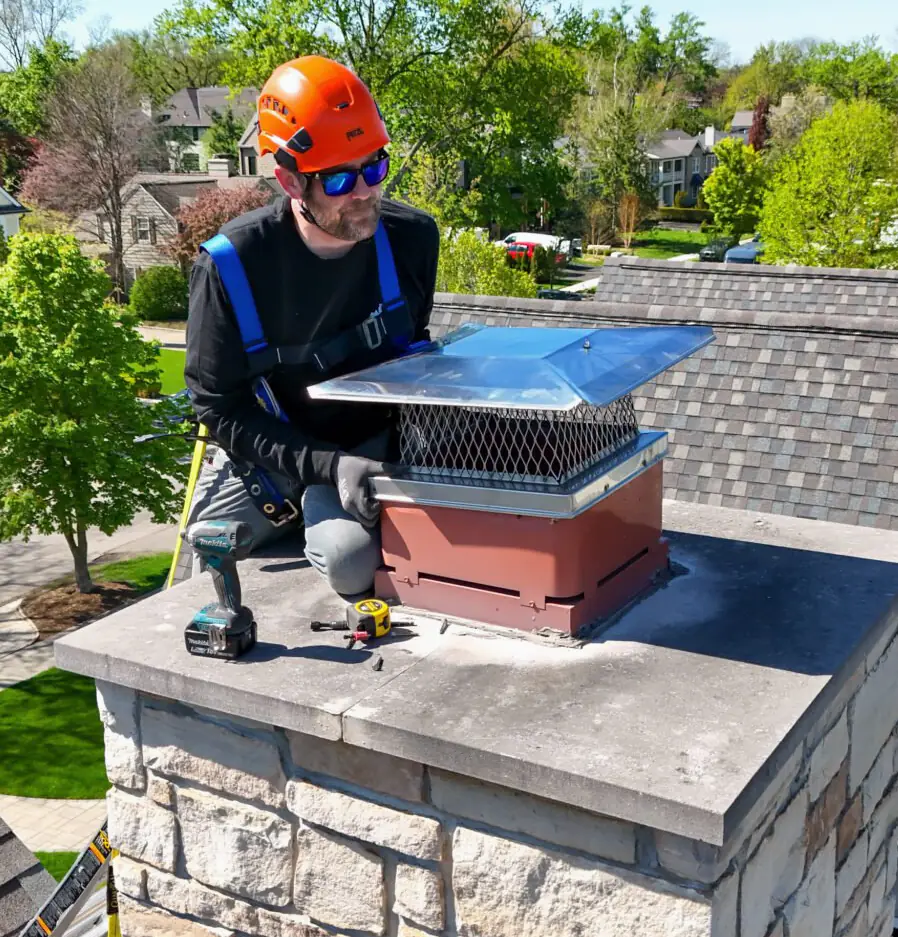
Chimney Animal Removal
Animal Removal From a Chimney in Newark, NJ
Animal removal from a chimney in Newark starts with finding out what is inside and how it can be reached. We assess the situation, remove the animal or remains, and identify chimney issues that may need attention.
- Open 24 hours a day, 7 days a week
- Same-day chimney service
- Garrett Sullivan has 16 years of chimney experience
- Chimney work comes with a warranty starting from 2 years
Get a fast quote
Animal Removal From a Chimney in Newark: Signs You Need Help
Scratching, fluttering, or movement from the fireplace or chimney can mean an animal has entered the flue. Stop using the fireplace until the chimney has been checked; smoke and heat need a clear path out of the home.
An animal may be trapped, nesting, or already dead inside the chimney. The right removal approach depends on what is there and how it can be accessed, so we assess the situation before beginning work.
You hear movement overhead
Scrapes, rustling, or calls from inside the chimney are reasons to arrange an inspection before lighting another fire. We check the chimney opening and accessible areas to locate the source.
A strong odor is coming from the fireplace
A persistent foul smell may point to a dead animal or nesting material in the chimney. Dead animal removal from a chimney includes locating the remains and checking for material left behind in the accessible area.
An animal appears stuck
An animal that cannot leave on its own may need removal through an accessible opening. We assess where it is and what access the chimney allows before carrying out the work.
You find nesting material or debris
Twigs and other debris can obstruct the flue and signal that an animal has entered or nested there. We remove animal-related material as part of addressing the chimney blockage.
You want to prevent another entry
Once the immediate animal issue is addressed, we can check whether the chimney needs a cap or another repair. A damaged or missing chimney cap may leave an opening animals can use.
What Newark Chimney Animal Removal Can Include
Animal removal from a chimney can involve more than taking an animal out. We look at the animal’s location, the access available, and any obstruction or damage that could affect the chimney’s use.
- Check the chimney opening — We examine the accessible entrance and chimney areas to understand how an animal may have entered and where it is located.
- Assess access to the animal — The chimney’s layout and the animal’s position determine how the work can be carried out. We identify an appropriate access point before starting removal.
- Remove an animal from the chimney — We handle removal based on the situation found during the assessment, whether an animal is trapped or has entered the flue.
- Remove dead animal remains — Dead animal removal addresses remains inside an accessible chimney area and the debris associated with them.
- Clear animal-related debris — Nesting material and other animal debris can obstruct the flue. We address the material connected to the animal entry as part of the service.
- Check for chimney damage or openings — After removal, we can identify visible damage or an opening that may need attention, such as a missing cap or a chimney repair.
- Recommend only needed follow-up work — We explain what we found and recommend only services a homeowner needs. Follow-up may include chimney cap installation or a separate repair, depending on the condition.
Need help now? (973) 559-5504
How a Chimney Animal Removal Visit Works
Before we begin, tell us what you have noticed: sounds, odor, visible debris, or an animal near the fireplace. Keep the fireplace unused until the chimney has been checked, and let us know if you have already seen the animal.
- Describe the signs — We use what you have observed to understand the concern and prepare to assess the chimney. Mention where you hear movement or notice an odor, and whether the issue is ongoing.
- Locate the animal or remains — We inspect accessible areas and determine the animal’s position and the access available. This assessment helps establish what removal involves before work begins.
- Carry out the removal — We remove the animal or remains based on the conditions found. If debris is connected to the animal’s presence, we address it as part of the chimney work.
- Review the chimney condition — We explain what we found and point out any opening, obstruction, or visible damage that may need service. If another service is appropriate, we recommend only what the chimney needs.
What Affects Chimney Animal Removal Cost in Newark
The cost to remove an animal from a chimney depends on what is inside, where it is located, the access available, and whether remains or debris also need to be removed. Damage or an opening that needs a separate repair can affect the work involved. We assess the chimney and explain the recommended work clearly before proceeding.
Our listed prices cover specific services such as chimney inspection, cleaning, and cap installation; they do not set a price for animal removal. Contact us with the signs you have noticed to arrange an assessment and get a quote. For related chimney care, see our chimney sweep service.
Need help now? (973) 559-5504
Why Newark Homeowners Choose Our Chimney Animal Removal
Owner Garrett Sullivan brings 16 years of chimney experience to the work, and we explain our findings in plain language instead of recommending services you do not need. We provide same-day chimney service, and our work comes with a warranty starting from 2 years. For broader chimney care, learn about our chimney sweep in Newark service or chimney repair. To arrange animal removal, get a quote and describe what you have noticed.
Related services
Frequently asked questions
What should I do if I hear an animal moving inside my chimney?
Do not light a fire while an animal or blockage may be inside the flue. Note where you hear the movement and whether it continues, then arrange an assessment so the animal’s location and access can be checked.
Can you remove a dead animal from inside a chimney?
Yes, dead animal removal is part of our chimney animal removal service. We locate the remains in the accessible area, remove them, and check for associated debris.
Can a chimney sweep remove bats from a chimney?
We provide chimney animal removal, including assessment when bats are reported in a chimney. We check their location and the available access before determining the work involved.
Can you help with animal removal from a chimney near me in Newark?
We serve Newark and towns across New Jersey, with same-day chimney service. Tell us what you have seen or heard so we can understand the situation and arrange the service.
Could a missing chimney cap be letting animals inside?
A missing or damaged cap can leave an opening at the top of a chimney. We can check the opening during the visit and identify whether chimney cap installation or another repair is needed.
What happens if an animal has left debris or damage in the chimney?
We address animal-related debris as part of the removal work and explain any visible chimney damage we find. If the chimney needs separate service, such as a repair or cap installation, we recommend only the work the condition calls for.
Arrange Chimney Animal Removal
Call (973) 559-5504 and describe the sounds, odor, or debris you have noticed so we can arrange the right service.